I’ve spoken to audiences all over the world, including boardrooms, arenas, sales floors, and conference stages.
And yet, some of the most energising days I have are the ones spent on a university campus.
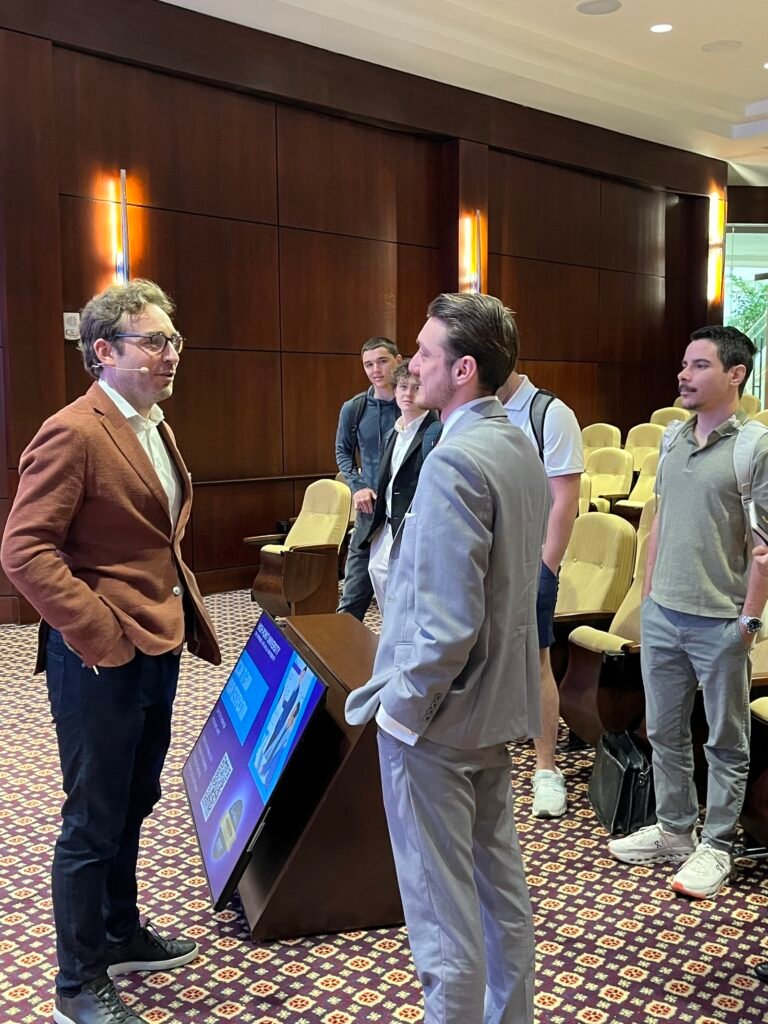
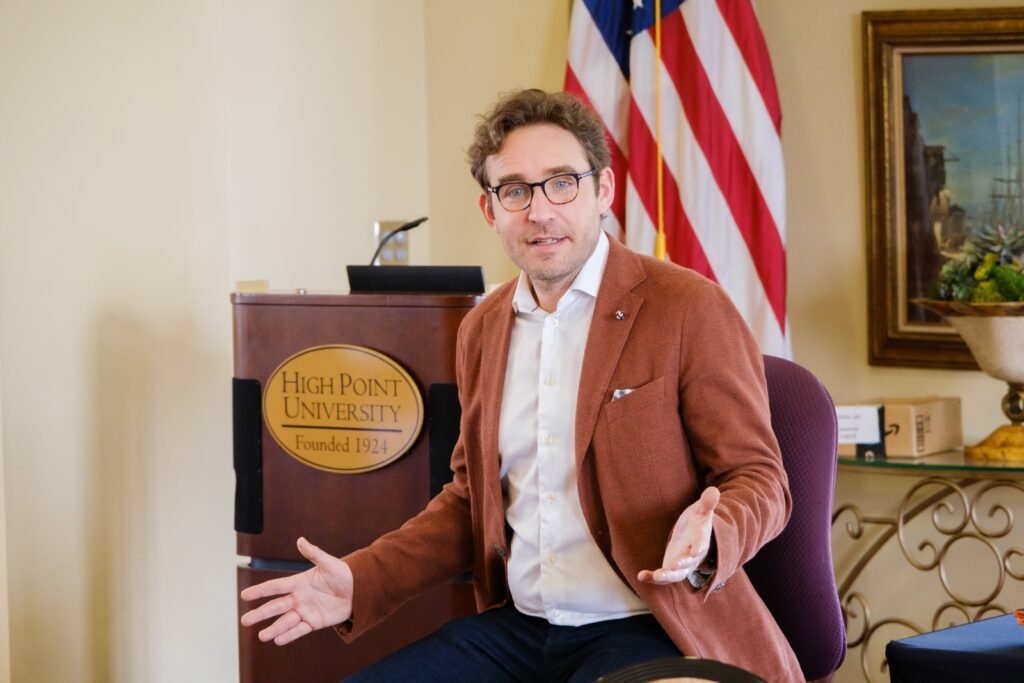
Last week I was back at High Point University, where I serve as Persuasion Expert in Residence through the university’s Access to Innovators program. This particular visit reminded me of something many people in the influence space quietly forget.
Persuasion isn’t a trick you deploy. It’s a skill you live.
The Real Purpose of Access to Innovators
One of the things that makes High Point University unique is its Access to Innovators initiative.
Rather than limiting education to textbooks and theory, the university intentionally brings practitioners, leaders, entrepreneurs, authors, and innovators directly into the student experience. These contributors are not guest speakers who appear once and disappear. They become part of the learning environment.
My role within that program is to help students understand something that will shape every aspect of their careers.
The conversations that create opportunity.
Whether they go into business, marketing, leadership, entrepreneurship, or any other field, their success will ultimately come down to their ability to influence ideas, decisions, and people.
So my time on campus involves more than delivering a talk. It means working alongside students and helping them understand the psychology of influence and the language patterns that shape critical conversations.
Dinner, Not a Lecture
The visit began the evening before with dinner alongside a group of students.
No slides. No stage. Just conversation.
What strikes me every time I sit across from students at HPU is how hungry they are.
Not for hacks.
Not for shortcuts.
They want frameworks they can actually use.
These are the kinds of frameworks that help them navigate job interviews, leadership opportunities, entrepreneurial pitches, and the countless conversations that will shape their future.
The Work Begins Before You Speak
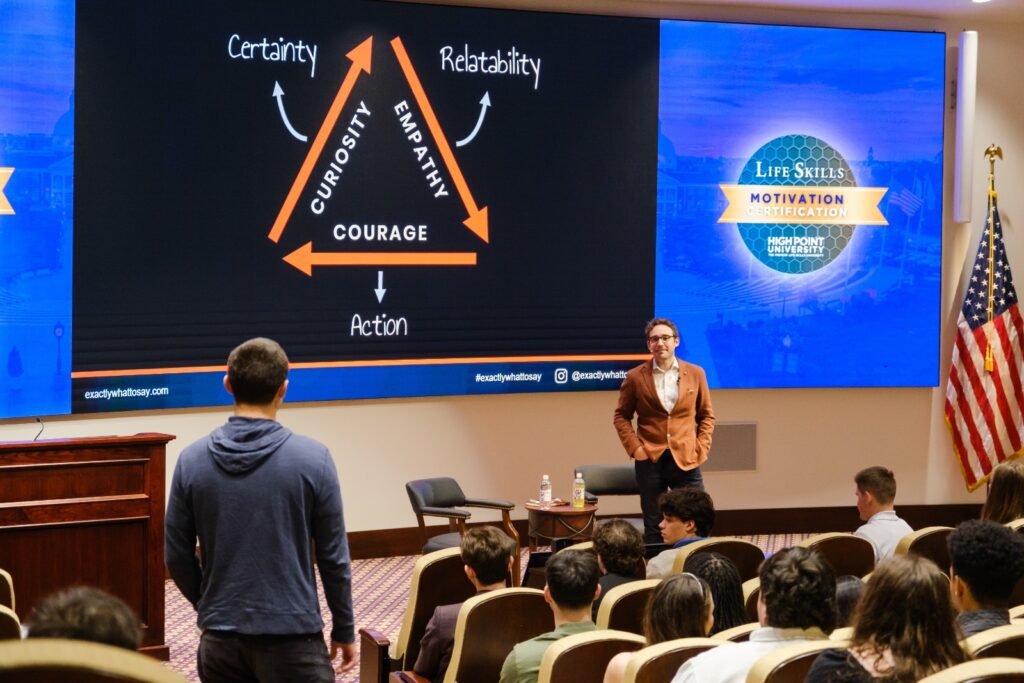
That same energy carried into the next morning when I led a credential seminar titled:
Exactly Right: Motivating Yourself to Influence Others
One of the central ideas we explored is something many people overlook.
Most people believe influence is about what you say to others.
In reality, the work begins with what you say to yourself.
If your internal narrative is filled with hesitation, doubt, or uncertainty, your external language will carry that signal whether you intend it to or not.
Conviction is not something you are born with.
It is something you practice.
Influence starts there.
A Table of Leaders in the Making
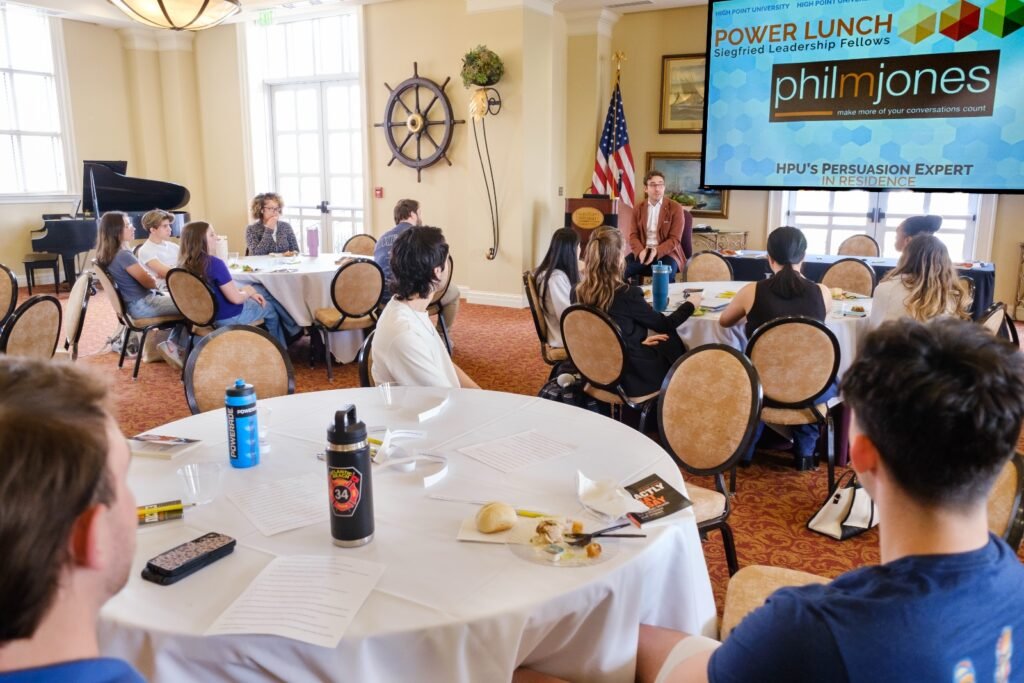
Later that day I joined the Siegfried Leadership Fellows for a power lunch conversation.
These students have been selected for their leadership potential. What stood out most was the depth of thinking around the table.
Not résumé building.
Not networking.
But genuine curiosity about what it means to lead and influence well.
Conversations like that are always reciprocal. I arrive hoping to contribute, and I leave having learned something too.
Where Theory Meets Human Behaviour
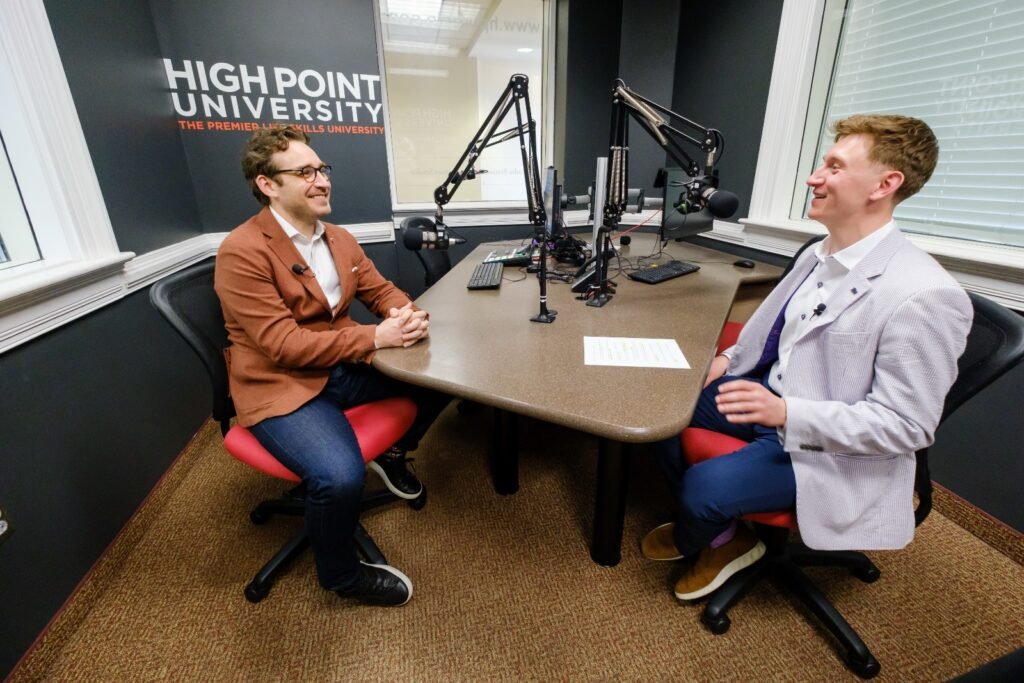
The afternoon included a podcast conversation with Alex Muravski at the Nido Qubein School of Communication, followed by a visit to a Consumer Behavior Marketing class.
That classroom moment is always one of my favourites.
Students studying why people make decisions, not just what they buy.
That is where theory becomes real. It is where psychology meets language. It is where influence stops being abstract and becomes practical.
Lessons About Influence That Matter Everywhere
Days like this always reinforce a few simple truths about influence.
These lessons are not just for students. They apply to anyone building a career or leading a team.
The conversation before the conversation matters most
The way you speak to yourself determines the conviction in the words you speak to others.
Confidence is not a personality trait.
It is a preparation habit.
The most influential people ask better questions
Many young professionals feel pressure to pitch themselves, their ideas, their résumé, and their value.
In reality, the people who create the most opportunity are rarely the best pitchers.
They are the best question askers.
When you ask thoughtful questions, three powerful things happen.
You learn faster.
You build stronger relationships.
You uncover opportunities others miss.
Questions create conversations.
Conversations build relationships.
Relationships create opportunities.
Be ready for the conversation before it arrives
Many of the biggest opportunities in life arrive without warning.
A chance meeting.
An unexpected introduction.
A moment where someone says, “Tell me more.”
The worst time to think about what you are going to say is in the moment you are saying it.
Preparation creates presence.
Presence creates influence.
Influence grows through practice, not theory
Understanding persuasion intellectually is helpful.
Practicing it in real conversations is what actually builds the skill.
This is why environments like High Point University matter so much. Students are encouraged to develop these abilities now, not years after they graduate.
Why High Point University Stands Out
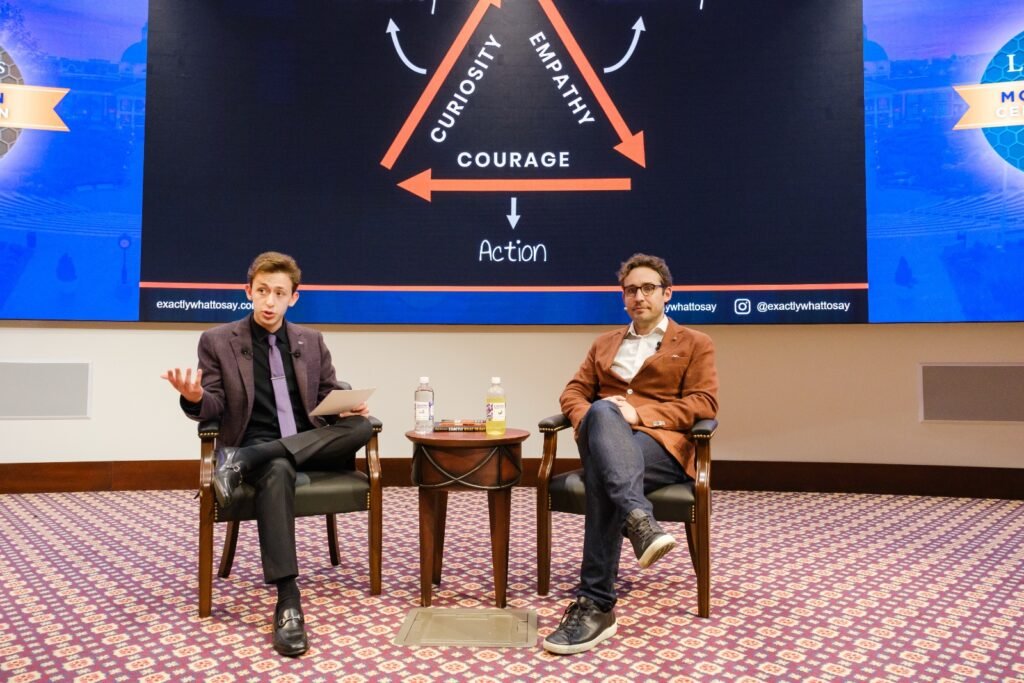

High Point University has earned its reputation as the Premier Life Skills University for a reason.
What Dr. Nido Qubein has built there is something rare. It is an institution that recognises that how you show up in the world matters just as much as what you know.
Days like this remind me why that philosophy matters.
The students at High Point University are not waiting until graduation to begin developing the skills that will shape their careers.
They are doing the work now.
When students learn early how conversations shape outcomes, they do not just graduate with knowledge.
They graduate with momentum.
Phil M Jones serves as Persuasion Expert in Residence at High Point University through the Access to Innovators program, where leading practitioners are invited to work directly with students to bridge the gap between academic theory and real world leadership. As the author of the international bestseller Exactly What to Say®, Phil works with organisations and leaders around the world to help them win the conversations that matter most.